

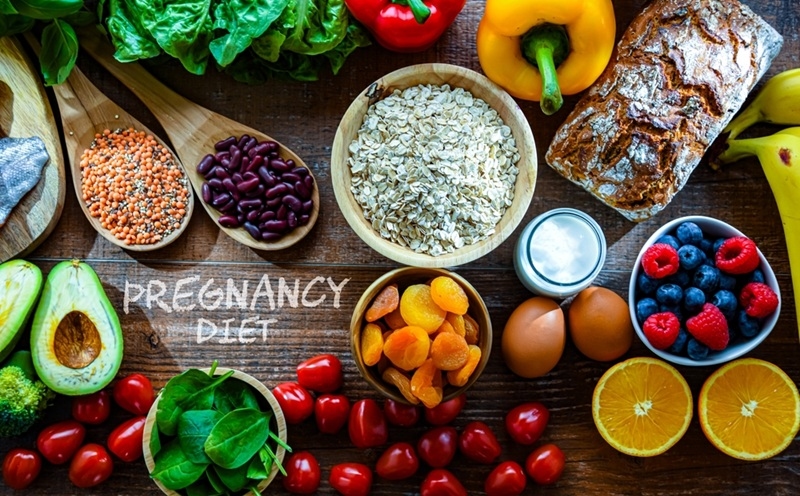
The last three months of pregnancy are really amazing. Your baby is getting bigger and stronger every day, and so is their brain. Their lungs are getting ready. This time can be tough for mothers; they might get heartburn and feel like they cannot eat much food. So it is very important to eat the food during these last three months.
In this article, we will talk about how to eat food during the last weeks of pregnancy. We will look at what foods are good for the last three months of pregnancy and give you a plan for eating healthy food that will help you get ready for labor.
As your baby grows, your body needs more vitamins and minerals. It is very important to eat foods in DHA, iron, and calcium during the third trimester. Because your stomach is squeezed, many women find it easier to eat five or six smaller meals full of nutrients rather than three big ones.
To ensure you reach your goals, do the following every day. These are the foods to eat when you are in your third trimester because they are really good for you:
In the trimester, it's all about preparing for the physical challenges of childbirth. Iron is really important now because your body is making blood. If you don't have iron, you might get anemia, which can make you extremely tired. Your body needs iron to keep your energy up during pregnancy. The more blood your body makes, the more iron you need to stay healthy. So eating foods high in iron can help you feel better and prepare for motherhood.
| Nutrient | Why You Need It | Recommended Sources |
| Iron | Prevents anemia and builds blood | Lean red meat, lentils, fortified cereals |
| Calcium | Bone and teeth strength for a baby | Yogurt, cheese, almonds, tofu |
| Vitamin C | Helps iron absorption | Oranges, bell peppers, strawberries |
| Magnesium | Reduces cramps and labor risk | Pumpkin seeds, bananas, dark chocolate |
When you are pregnant, eating the right food is really important, especially in the third trimester. This can help you feel better when you are close to giving birth. You should try to eat foods high in fiber because they can help relieve constipation.
If you do not want to have a lot of heartburn at night, you should not eat greasy foods in the evening. This is because the baby is pushing against your stomach, and that can make your heartburn worse. Eating a pregnancy diet in the third trimester can make a big difference and help you feel more comfortable.
Must Try: Inside the 20-Week Anatomy Scan: What to Expect & Prepare
While you do not need to eat food for two people, you do need to eat about 450 extra calories every day in the last three months of pregnancy. It is very important to choose foods during pregnancy so that these extra calories are not useless. You should eat foods with carbohydrates, such as sweet potatoes and quinoa. These foods give you energy levels and not the sudden drops that happen when you eat snacks with a lot of sugar.
When you are thinking about what to eat during the trimester of pregnancy to get ready for labor, remember to drink a lot of water. Drinking water is very important to prevent dehydration and to keep the water around your baby healthy. Eating dates for a few weeks might also help your cervix get ready for labor, but you should talk to your doctor about this first. Obviously, food is important in pregnancy; the expectant mother should practice movements and all pregnancy-safe exercises.
Perfecting what you eat in your trimester is a great way to help your baby grow and get ready for birth. You can feel better. Get stronger for labor by eating good foods. Focus on foods for pregnant women and good nutrition to help with symptoms. This will help you build the strength you need. Eating well in your trimester supports your baby's final growth and helps you get ready.
Yes. As the baby grows, your stomach has room to stretch. This can make you feel fast or give you heartburn. To deal with this, try eating meals often and snacks that are high in energy. Avoid eating meals, especially for dinner. Focus on energy snacks. Eat meals throughout the day.
Water is really important for the placenta and the amniotic sac. If you do not drink water, it can lead to problems with amniotic fluid. You might even get Braxton Hicks contractions. Drinking water helps your kidneys work properly. This is good for you and your baby because the kidneys remove waste products your body and your baby do not need.
So, many people who know what they are talking about say you shouldn't have more than 200 mg of caffeine a day. Caffeine can affect your body. It can even get to your baby if you are pregnant. It can also make it hard for you to sleep. If you have trouble sleeping. If you have a stomachache, cutting back on caffeine might make you feel a lot better.
This content was created by AI